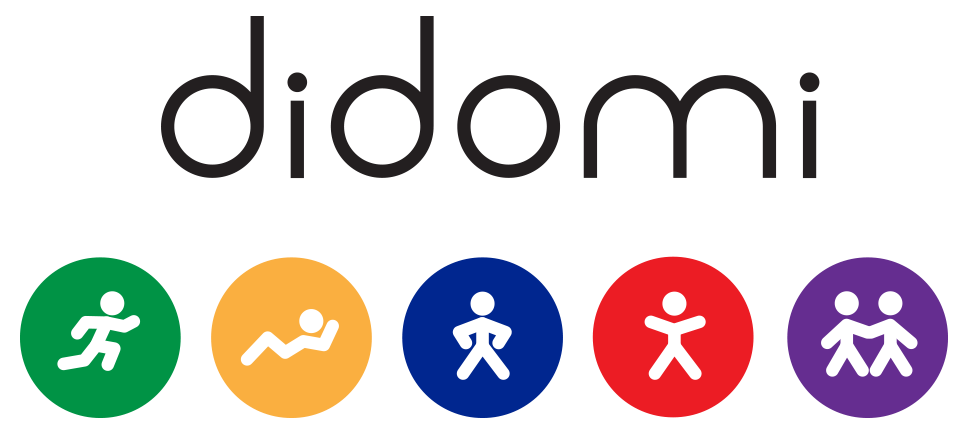
The Didomi Behavioral Model (DBM) posits that optimal human function and engagement are products of the dynamic equilibrium among five core neurobehavioral systems. In contexts outside of mental health, the DBM serves as an engineering specification for designing interfaces, workflows, and environments—from AI to HR policy—to maximize performance, sustainability, and well-being.
This model moves beyond simplified behavioral economics (e.g., Nudge Theory) by integrating evolutionary neuroscience and allostatic regulation principles. Effective design is not just about changing behavior but supporting the Minimum Effective Dose (MED) of interventions required to maintain the five systems in balance.
1. DBM Foundation: The Five Core Systems as Design Pillars
The DBM's five pillars represent non-negotiable human needs rooted in our evolved neurobiology. System design must either support the tuning of these pillars or avoid creating an evolutionary mismatch that causes their dysregulation (allostatic load).
| DBM System | Core Human Need (Evolutionary Drive) | Systemic Dysregulation (Mismatch) | Design Mandate |
| Energy Management (EMS) | Vitality, Metabolic Resource Allocation, Circadian Rhythm | Chronic fatigue, Low motivation (Apathy, Dopamine hypoactivity) | Optimize Flow State & Sustainment: Respect bioenergetic limits. |
| Recovery System | Stress Termination, Allostatic Reversal, Safety | Chronic stress, Hypervigilance, Burnout (HPA axis dysregulation) | Design for Psychological Safety & Downtime: Facilitate PNS activation. |
| Status System | Self-Worth, Competence, Social Significance | Insecurity, Fragile self-esteem, External validation seeking | Promote Intrinsic Motivation & Mastery: Validate effort, not just outcome. |
| Attention System | Focus, Selective Processing, Filtering | Distractibility, Cognitive overload, Information anxiety (DMN/ECN imbalance) | Prioritize Clarity & Deep Work: Minimize cognitive switching costs. |
| Connection System | Belonging, Trust, Secure Affiliation | Loneliness, Social friction, Exclusion (Oxytocin/Opioid pathway deficits) | Cultivate Genuine Interaction & Trust: Support relational efficacy. |
2. DBM in System Design: AI and UX Engineering
Applying the DBM to design ensures that digital interfaces and autonomous systems enhance, rather than deplete, human capital.
A. Designing AI for Attention and Energy (Pillars 4 & 1)
Challenge: AI systems often contribute to cognitive overload (Pillar 4) through constant alerts and decision fatigue (Pillar 1) through information deluge.
DBM Solutions:
- Attention-Economy AI: An AI should function to reduce the attentional load on the user. For instance, a Generative AI should not just summarize information, but present only the MED of data required for the decision, respecting the limits of the DLPFC (Dorsolateral PFC).
- Systemic Quiet: AI notifications should be managed by a Salience Network (SN) algorithm that prioritizes based on the perceived allostatic threat level of the message, not just its urgency. Non-critical communication should be batched to support the ECN (Executive Control Network) and reduce task-switching costs.
- EMS-Conscious Scheduling: In optimizing logistics or workflow scheduling, AI must integrate individual biometric data (e.g., HRV, sleep data) to respect peak circadian-aligned productivity windows (43), preventing EMS depletion and optimizing monoaminergic efficiency.
B. Designing User Experience (UX) for Status and Recovery (Pillars 3 & 2)
Challenge: Gamified UX often exploits the Status System's dopamine pathways by relying on fleeting, extrinsic rewards (badges, leaderboards), leading to unsustainable engagement and digital exhaustion (Pillar 2).
DBM Solutions:
- Intrinsic Validation Loops: Design should shift from extrinsic markers to validating competence and mastery. The system should confirm user progress in relation to their personal growth goals (Status System tuning via intrinsic satisfaction), not external comparison.
- Digital Off-Ramps: The system must intentionally design moments for Recovery. For example, a "Recovery Mode" button that automatically silences alerts, shifts the screen to warm tones, and displays a brief breathing exercise (MED-based PNS activation) to directly stimulate the vagus nerve.
- Trust and Transparency: Secure data handling and transparent consent management (as provided by platforms like Didomi) are foundational to addressing the Connection System's need for trust and safety in the digital environment (188).
3. DBM in Organizational Strategy: HR and Marketing
The DBM provides a blueprint for sustainable human capital management and customer engagement.
A. Human Resources (HR) and Work-Design
Challenge: Modern "Hustle Culture" (17) is a systemic evolutionary mismatch that causes widespread Burnout (Pillar 2/EMS), leading to costly staff turnover.
DBM Solutions:
- Recovery-Centric Policy: Implement non-negotiable "deep recovery" periods (e.g., mandated no-email periods, PTO enforcement) to ensure the HPA axis has time to reset and reduce allostatic load (25).
- Status/Connection Feedback: Performance reviews must prioritize feedback on contribution (intrinsic Status) and collaboration (Connection) over purely competitive metrics. This validates the evolved human drive for significance and belonging.
- Micro-Intervention Training: Introduce MED-based DBM training (e.g., 5-minute breathing techniques for Recovery; 10-minute focus blocks for Attention) across the organization to equip employees with Operator skills for self-regulation (236).
B. Marketing and Customer Engagement
Challenge: Marketing often relies on creating artificial scarcity or status anxiety to drive immediate engagement, which ultimately depletes the Recovery and Status systems of the consumer.
DBM Solutions:
- Authentic Connection: Shift engagement from transactional to relational. Marketing that facilitates prosocial behavior or genuine community building activates the Connection System's opioid and oxytocin pathways (188), leading to deeper brand loyalty.
- Status Reframing: Use messaging that aligns the product with mastery or competence (intrinsic status) rather than purely external validation or social comparison.
- Attention Respect: Implement attention-respecting communication by allowing users granular control over communication channels, frequency, and purpose, honoring the Attention System's need to filter out noise.
The Didomi Behavioral Model (DBM), in this expanded scope, functions as a Unified Field Theory for human engagement, offering non-clinical professionals a scientifically grounded framework to design systems that align with, rather than exploit, our evolved neurobiology.


