The old school is broken.
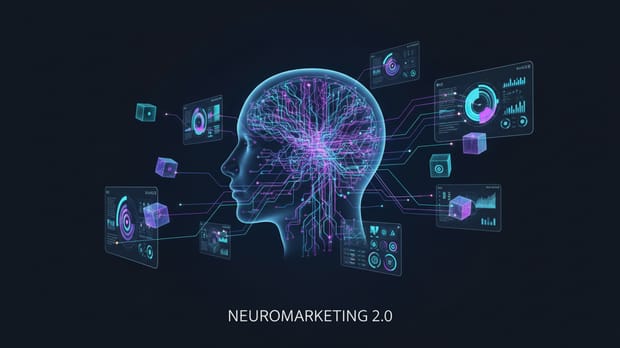
For years, we pretended that "neuromarketing" was an innovation. We paid fortunes to track eyeballs and measure sweat, getting data that told us what happened after we shipped something. It was reactive. It was guesswork. It was trying to measure the rain without understanding the climate.
We need to stop measuring reactions and start designing intent.
The Didomi Behavioral Model (DBM) is the operating system for the consumer's decision-making. It replaces vague surveys and pricey biometric readings with a simple, powerful blueprint: Every consumer choice, from a click to a long-term subscription, is a primal attempt to satisfy one of five fundamental neurobiological systems.
This is your blueprint for the Permission Economy.
The Five Imperatives of Choice
Your product is not a feature list; it is a tuning solution for one of these five human systems. When your message aligns with a system's imperative, you earn attention.
1. Status System (SS)
The imperative is Significance. We need to feel competent, respected, and successful in the eyes of the tribe.
- The Marketer's Job: Stop selling features. Sell the achievement signal—superior capability, insider access, or public validation. You are providing the tool that confirms their worth to the tribe.
2. Connection System (CS)
The imperative is Belonging. We are wired for secure affiliation and safety in a group. Loneliness is a stress signal.
- The Marketer's Job: Build the tribe, not the list. Emphasize shared identity, user-driven community, and mutual trust. You are selling the safety of the campfire, not just the lighter fluid.
3. Energy Management System (EMS)
The imperative is Efficiency. The brain’s core task is conserving scarce resources, like time and cellular energy (ATP). Effort is the enemy.
- The Marketer's Job: Sell speed, simplicity, and reduced cognitive load (e.g., "Saves you 2 hours a week," "One-click solution"). Aligns with the brain's imperative to conserve energy. Bet on lazy (energy saving mode).
4. Recovery System (RS)
The imperative is Safety. We constantly scan for threat and seek quick termination of stress. We want predictability and calm.
- The Marketer's Job: Sell peace of mind. Guarantee the results. Eliminate the risk. Your product is the antidote to the current pain, the promise of calm in the storm.
5. Attention System (AS)
The imperative is Clarity. We must filter the noise to find the valuable signal. Cognitive overload is the fastest path to being ignored.
- The Marketer's Job: Respect the Minimum Effective Dose (MED). Make your message salient, clear, and focused. If you force the consumer's brain to expend energy decoding your ad, you've already lost the battle for their focus.
The Art of Synergistic Orchestration
The genius isn't turning a single dial; it's orchestrating the shift between them. The DBM systems are always talking to each other. Your marketing campaign must leverage these conversations.
- The Loyalty Loop (CS + SS + EMS): You want long-term loyalty? Don't just sell access (CS); sell exclusive, low-effort access (EMS) that confirms their elevated status (SS) within the tribe. Example: A subscription tier that is easy to manage (EMS), confirms high value (SS), and deepens community membership (CS).
- The Conversion Catalyst (RS - AS - EMS): To compel a choice, first acknowledge the stress (RS) of the current situation ("Is your old system failing?"). Then, use a hyper-focused message (AS) to clearly present your solution. Finally, close by promising simplicity and time savings (EMS). This sequence quickly moves the customer from threat detection to energy conservation.
Marketers who understand these cross-system synergies don't just get conversions; they build durable emotional contracts.
The Line Between Persuasion and Exploitation
This knowledge is profoundly powerful.
Persuasion is the art of aligning your genuine product value with one of these five deep human imperatives. You show the customer how your solution brings their system back into balance.
Manipulation is knowingly targeting a system that is depleted (like an insecure Status System or an exhausted Recovery System) and offering a fleeting, false substitute for profit. It’s a short-term trick that breaks trust and destroys the long-term potential of your tribe.
The future of marketing is not about volume or tricks. It’s about intentional alignment. It's about earning the right to tune the customer's world in a way that truly serves them. The DBM is the only map that guides you there. Ship that.
Related Posts


